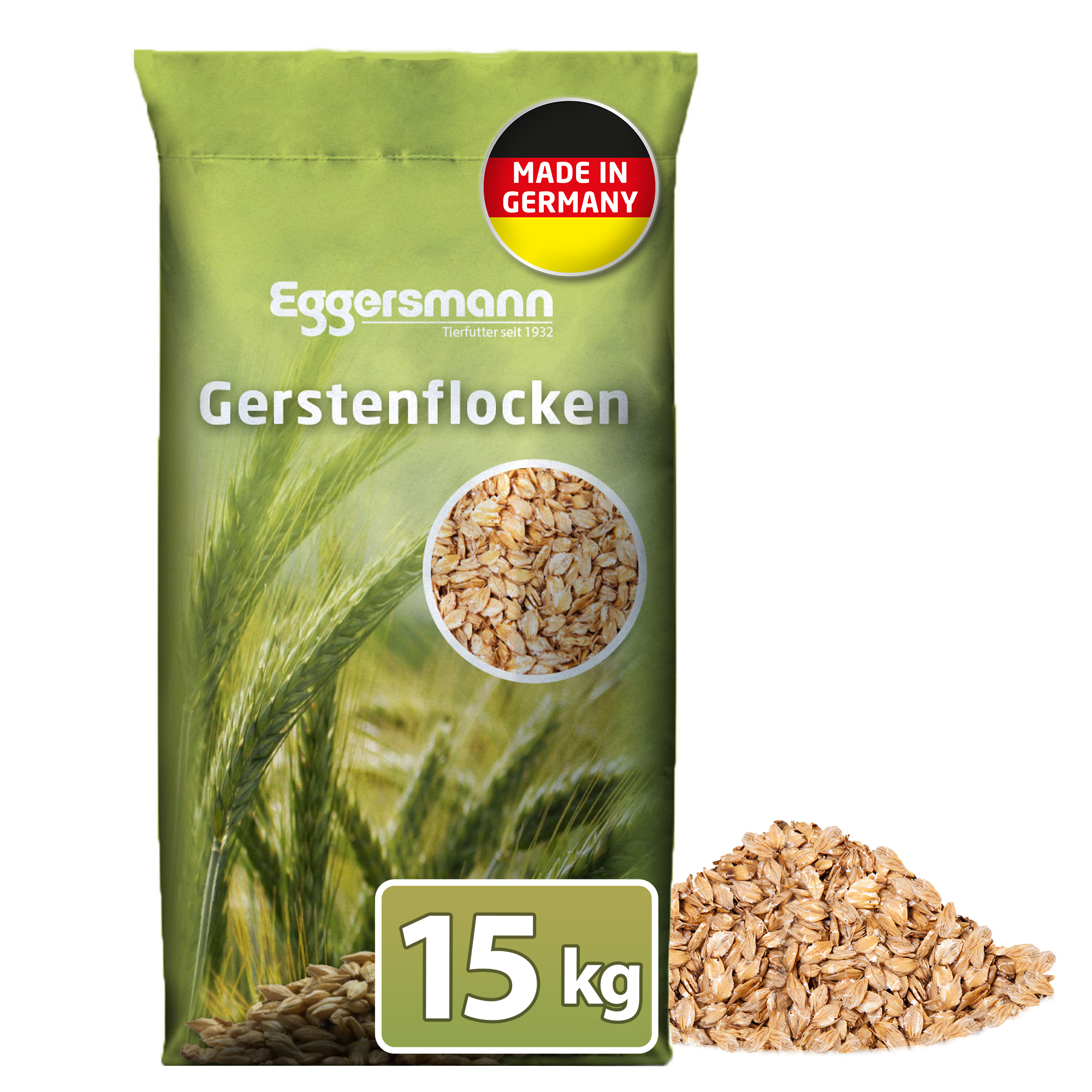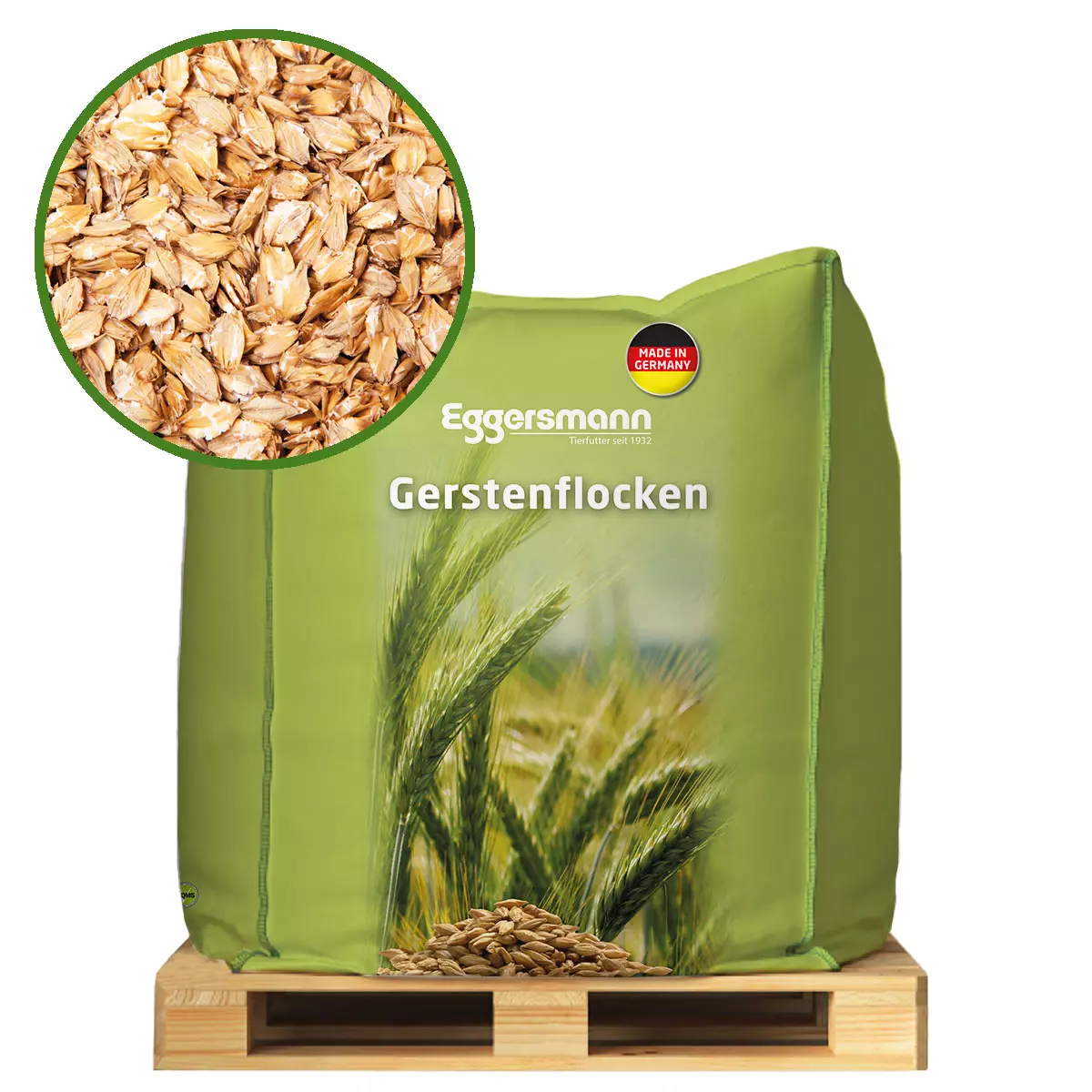
Feed materialHeat-treated barley flakes as a hygienically high-quality and easily digestible source of energy for animals with increased energy requirementsCompared to oats, barley has a slightly higher energy value, but lower starch digestibility. So the energy content of barley can only be absorbed in the small intestine after hydrothermal treatment of the barley. Only through this heat treatment, the starch can then be converted into energy.With a rather low crude fiber content of approx. 5%, barley is mainly used as a starch carrier in the feed diets, which means that the amount of feed for the different animal species has to be weighed up and limited. As a ß-glucan-rich grain, barley has positive and digestive effects for horses, but for other species such as poultry, a high ß-glucan content can decrease digestibility why the dosing rate of barley in the complete feed should be limited.
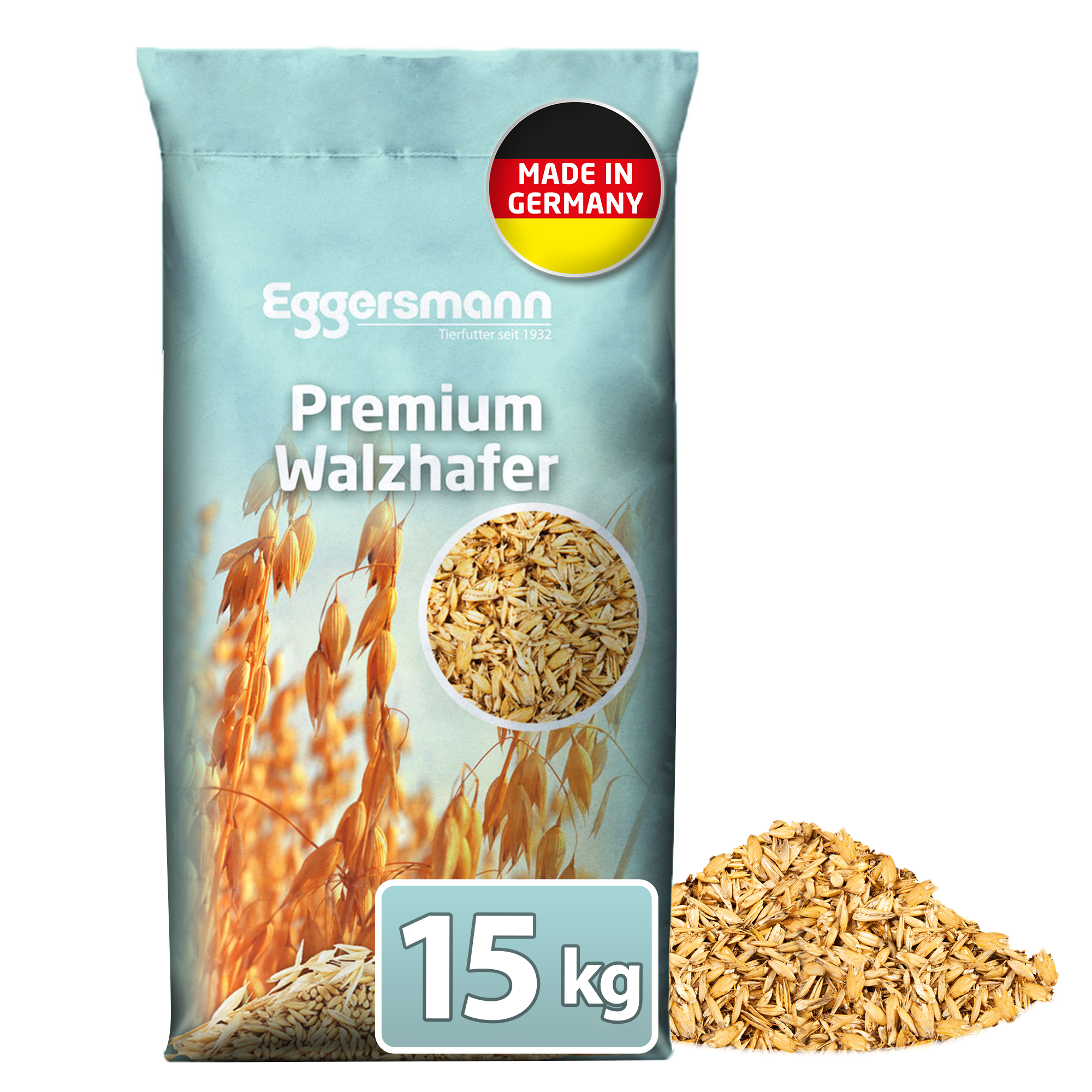
Feed materialHighly digestible source of energy · hydrothermally rolled · low-dust and longer shelf life · for animals with increased energy requirements Hydrothermally rolled oats as a highly digestible source of energy for animals with increased performance requirements or weakened animalsOats have high levels of digestive mucilage (ß-Glucans), a comparatively high fat content and high amounts of unsaturated fatty acids, such as essential linoleic acid. Compared to other types of grain, oat protein is characterized by a particularly high amount of lysine, which is an important protein building block for healthy growth and a well-functioning immune system. 85% of the easily digestible starch can be broken down in the horses´ small intestine and converted into readily available energy - this is what has made oats so famous as a traditional concentrate in horse feeding.The high husk content (approx. 25%) makes oats the most fiber-rich type of grain, what, depending on the animal sp